
Why magnesium and zinc deserve a front-row seat in your daily routine
Your nervous system is running the show 24/7. Every breath, every step, every thought, every heartbeat is coordinated through electrical signals firing at lightning speed between your brain, spinal cord, and body. When that system is overwhelmed, under-fuelled, or poorly regulated, things start to feel off. Sleep becomes lighter, stress feels heavier, muscles don’t switch off properly, and movement loses its ease.
As a chiropractor in Wellington, we see this daily. People aren’t broken, they’re often under-supported. One of the simplest and most overlooked ways to support the nervous system is through foundational nutrition, particularly minerals that directly influence neurological signalling. Two standouts are magnesium and zinc. Not flashy. Not trendy. But incredibly powerful when it comes to nervous system regulation and resilience.
Magnesium: the nervous system’s natural calming mineral
Magnesium is involved in over 300 enzymatic reactions in the body, and a huge number of these are neurological. From a nervous system perspective, magnesium acts like a volume dial, preventing your system from being stuck permanently on high alert. It plays a critical role in regulating excitatory and inhibitory neurotransmitters, especially through its influence on NMDA receptors, which control how easily nerve cells fire.
When magnesium levels are low, nerve cells become more excitable. This means the brain is more reactive, muscles are more prone to tightness and cramping, and the body struggles to fully down-regulate. Research suggests that up to 50–60% of adults may not meet optimal magnesium intake, largely due to modern diets and chronic stress increasing magnesium demand.
Clinically, this matters. Magnesium deficiency has been linked to increased anxiety, poor sleep quality, headaches, muscle tension, and impaired stress tolerance. From a chiropractic lens, an under-regulated nervous system struggles to integrate movement information accurately, making subluxation patterns more persistent and harder to adapt to everyday loads.
Magnesium also supports parasympathetic activity, the “rest and regulate” side of the nervous system. This is why magnesium is often associated with improved sleep quality and muscle relaxation. Studies have shown that magnesium supplementation can improve sleep efficiency and reduce cortisol levels, particularly in individuals under chronic stress.
Not all magnesium is created equal. Forms such as magnesium glycinate and magnesium threonate tend to be better tolerated and more effective for neurological support, as they are less likely to cause digestive upset and have higher bioavailability for nervous system tissues.
Zinc: precision, repair, and brain clarity
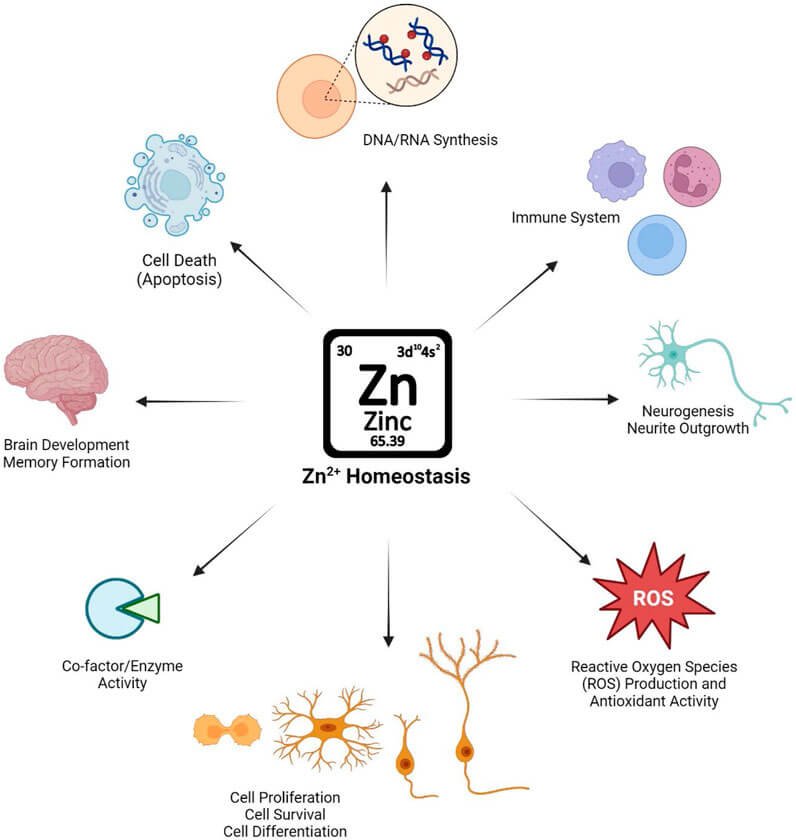
While magnesium is about calming and regulation, zinc is about precision and communication. Zinc is essential for synaptic signalling, meaning it helps nerve cells communicate accurately with one another. It plays a role in neurotransmitter release, neuroplasticity, and even how the brain processes sensory input.
Zinc is highly concentrated in the hippocampus, an area of the brain involved in learning, memory, and emotional regulation. Low zinc levels have been associated with impaired cognitive function, low mood, reduced immune resilience, and slower tissue repair. From a nervous system standpoint, zinc helps maintain the structural integrity of neurons and supports proper signal transmission.
Stress is a major zinc depleter. Chronic sympathetic activation increases zinc excretion, which creates a feedback loop where a stressed nervous system becomes less capable of adapting to stress. Research has shown that zinc deficiency can amplify glutamate activity, increasing neuronal excitability and contributing to feelings of overwhelm or brain fog.
Movement matters here too. Zinc plays a role in muscle activation and recovery by supporting protein synthesis and neuromuscular coordination. When zinc levels are suboptimal, muscles may fatigue more quickly and coordination can feel less efficient. This is especially relevant for active individuals, gym-goers, and athletes who place repeated demands on their nervous system.
From a chiropractic perspective, zinc supports the brain’s ability to adapt to change. When adjustments restore proper joint motion and reduce interference from subluxation, zinc helps the nervous system integrate that new input more efficiently, supporting better long-term outcomes.
Why supplementation and chiropractic care work better together
Supplements don’t replace chiropractic care, and chiropractic care doesn’t replace good nutrition. They work best as a team. Chiropractic adjustments restore proper joint motion and improve the quality of sensory input entering the brain. Magnesium and zinc provide the biochemical environment the nervous system needs to process that input accurately.
Think of it this way. Adjustments help clear static in the signal. Magnesium helps calm the system so the signal isn’t distorted by noise. Zinc helps sharpen the signal so communication is precise and adaptable. Together, they support better regulation, movement efficiency, and resilience under stress.
In a busy city like Wellington, where work stress, screen time, training loads, and environmental demands are high, supporting the nervous system proactively is no longer optional. It’s foundational.
Supporting your nervous system beyond supplements
Magnesium and zinc work best when combined with movement, quality sleep, and nervous system-focused chiropractic care. Regular spinal motion feeds the brain vital proprioceptive information. This input supports cortical organisation, balance, and coordination, all of which are essential for long-term neurological health.
If you’re constantly feeling wired but tired, stiff despite stretching, or like your body isn’t adapting the way it used to, your nervous system may be asking for support, not suppression.
At our Wellington chiropractic clinic, we focus on neurological and movement-based care designed to help your nervous system regulate, adapt, and thrive. Supplements can support the process, but the real magic happens when the nervous system is given the right input, fuel, and environment to function optimally.
Your nervous system doesn’t need perfection. It needs consistency, clarity, and care. Magnesium and zinc are a great place to start, and your spine is a powerful place to continue.
Scientific references
Volpe, S. L. (2013). Magnesium in disease prevention and overall health. Advances in Nutrition, 4(3), 378–383.
Boyle, N. B., Lawton, C., & Dye, L. (2017). The effects of magnesium supplementation on subjective anxiety and stress. Nutrients, 9(5), 429.
Prasad, A. S. (2014). Zinc is an antioxidant and anti-inflammatory agent. Journal of Trace Elements in Medicine and Biology, 28(4), 364–371.
Takeda, A. (2011). Zinc signaling in the hippocampus and its relation to pathogenesis of depression. Molecular Neurobiology, 44(2), 166–174.
Seelig, M. S. (1994). Consequences of magnesium deficiency on the enhancement of stress reactions. Journal of the American College of Nutrition, 13(5), 429–446.sticity, and pain. Journal of Chiropractic Medicine, 12(3), 166–173.
Experience Limitless Movement Chiropractic Care in Wellington
If you’re in Wellington and looking for expert chiropractic care, we’re here to help. At Limitless Chiropractic, we focus on helping you move better, feel stronger, and live without limits. Book your appointment today and take the first step toward a healthier, more mobile you!
Ready to begin or continue your healing journey? Let’s work together to unlock your body’s natural potential for wellness.
Book Your Limitless Journey Today
or call us at (04) 891 0911